Finally holding your child in your arms after the long months of waiting is pure bliss, but along this wonderful feeling are unexpected worries. One particular moment that may scare the wits out of new parents is when they may notice episodes of their child choking either on their mucus or saliva. You might hear them struggling to clear their throat, sounds like gagging, or even coughing up after feeding or waking up, it can be frightening for sure, but not to worry, this is a pretty common issue and a manageable one for infants. In this article, we’ll mainly tackle why it happens, how to properly respond to these situations and how to prevent them from happening again.
Why Newborns Are Prone to Choking on Mucus
When a baby is born, of course their airways are still underdeveloped. This makes clearing mucus harder and not so effective yet. Any excretion of remaining amniotic fluids or mucus days after birth is normal, since babies breathe through their noses any minimal blockage can cause problems and give your newborn difficult time to breathe properly.
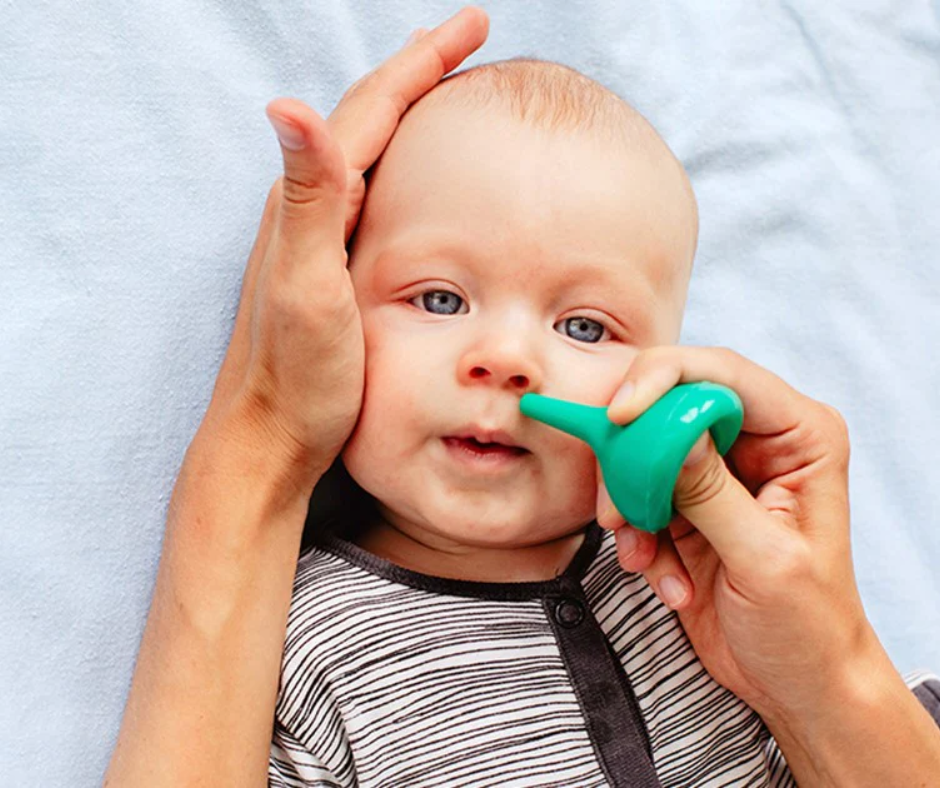
Also, newborns don’t know how to blow their noses yet, which makes choking on mucus can happen easily. This is when a baby nasal aspirator becomes a must-have. Designed for removing mucus from a baby’s delicate nose helping them to breathe more comfortably. Suctioning before and after feeding and also before bedtime can decrease their choking episodes.
Identifying the Signs of Mucus Choking
So, how to know the signs of mucus newborn choking? Although they may vary, there are some general signs. Common ones include:
- Wet-sounding breathing or any gurgling sound
- Sudden coughing or gagging during or after feeding
- Mild distress or facial redness
- Spitting up milk with mucus
- Having a hard time catching their breath
It’s always advisable to discuss these issues with your pediatrician, but in case the symptoms mentioned above fades away on their own or with your gentle care, these issues are usually harmless. Call immediate medical help if you notice any breathing troubles that lasts for long periods of time. When your child can’t cry or when their lips and skin are turning pale or bluish it’s an emergency.
Immediate First-Aid Steps for Choking
Time is crucial when your child is choking, you want to act as fast as you could but in a calm manner to avoid any mistakes. To help a choking child, you can follow through:
- First, position your baby safely, lay their face down on your forearm. Keep supporting their head and neck, and then gently pat their back.
- Using a bulb syringe or nasal aspirator can be helpful if the choking is caused by mucus and not food. Gently insert the tip into your baby’s nostril and suction out the mucus to help them breathe easier.
- Try not to suction too forcefully, as it can harm their nasal passages.
In the event that the choking still continues or your child still gasps, cough or they looked panicked. Call emergency services as fast as you could.
Using a Bulb Syringe or Nasal Aspirator
The importance of a baby nasal aspirator is amplified during the times when their child is dealing with mucus congestion. They are specially designed to remove mucus from your child’s nose to help them breathe and feed easier. We’ll share some tips to use it safely,
- Squeeze tightly until most of the air is out of the bulb before placing it gently on their nostril
- Slowly release to create a suction and draw out the mucus.
- Clean it thoroughly after each use, this will keep it clear of any bacterial buildup
Regularly suctioning their nasal passages can prevent any accumulation of mucus, reduce coughing and lower the chances of mucus newborn choking episodes.
Gentle At-Home Remedies to Prevent Buildup
In keeping your child’s mucus under control, suctioning isn’t your only option, there are other home remedies to help you:
- Use saline drops – a few drops into each nostril can help loosen their mucus, doing this makes suctioning easier.
- Air humidity is your ally – keeping a cool-mist humidifier in your child’s room adds moisture to the air that prevents nasal dryness that can thicken their mucus.
- Keeping your child in an upright position after feedings – this position helps the milk and mucus move down smoothly avoiding any reflux or milk-mucus buildup
- More tummy time – these gentle tummy plays help to strengthen their chest muscles that can promote natural drainage of mucus.
For parents, they may look like some small adjustments to make, but to your child it makes a world of difference for them especially since they feel the comfort and ease in their breathing.
When to Seek Immediate Medical Attention
Usually, any mucus newborn choking episodes can be easily helped with some gentle care. On very few and rare occasions, you might need to seek medical attention immediately, especially when your child:
- Turning pale or bluish colored lips or skin
- Coughing, choking or wheezing that doesn’t go away.
- Labored or rapid breathing
- Their mucus is tinged with blood or pus
- Vomiting or trouble with feeding
The following signs could indicate possible infection, reflux issue, or other respiratory problems. These requires professional help and evaluation. Don’t be afraid to speak with your doctor and always follow your instincts especially when it concerns your child.
The Difference Between Gagging and Choking
Usually, it will only take us split second to distinguish gagging from choking, and many parents often gets confused with them, although they are really two different things. Gagging is a protective reflex that helps you or your child clear the throat or prevent overfeeding, while choking is when there is an actual thing or blockage in their airway.
Some other signs that could help in distinguishing one from the other is that gagging still allows your child to breathe, they make noise and cough, but choking is the opposite, it’s usually silent, your child is unable to cry or make noise since there’s a blockage and they may also show signs of panic.
Being knowledgeable enough about these clear signs, you can respond to them properly, in a timely manner. Comforting them when they’re gagging and acting immediately if they’re choking on food or mucus.
Proactive Measures to Keep Airways Clear
Preventing mucus newborn choking really starts with creating an environment that supports their healthy breathing.
- Humidity helps a lot – keep your child’s room moist to reduce any dryness in their nasal passages
- Avoid any smoke, perfumes and strong-smelling chemicals that can irritate their noses
- Clean any feeding or tools that you use to clear their mucus to prevent bacterial buildup
- Keep your baby’s head slightly in upright position when sleeping or resting to help them breathe easier.
- Also make sure that they’re hydrated well, even with either breastmilk or formula, this also thins out their mucus.
Conclusion
Seeing a mucus newborn choking episode for the first time can be terrifying, but in most cases, these are temporary and rather harmless issue that you can manage at home. Knowing useful gadgets such as a nasal aspirator for the newborn, keeping your environment relaxed, clean and humid, and knowing when you need to be consulting the doctor, makes you as a parent more confident that you can manage whatever parenthood brings your way.
It is always good to remember that your newborn is still getting used to this world. Their little bodies are still adjusting to coping with air, milk and mucus. Your support and gentle care go a long way for them to breathe clearly and sleep more soundly.