According to US Coast Guard statistics, there were over 4,500 boating accidents in 2010, which resulted in nearly 675 casualties, 3,150 injuries, and $35.5 million in property damage. The top contributing factors of boating accidents and casualties included inattentive or inexperienced boat operators, excessive speed, and the use of alcohol. It’s important that you take boating seriously, to protect both your family and your vessel.
Training
Many people do not realize that operating a boat can be just as dangerous as driving an automobile. In order to legally drive a boat, you’ll need to attend a basic boating safety course in your state of residency. As with basic driver training when you got your driver’s license, these courses will provide you with the basic information you’ll need, including safety equipment and key seamanship skills. More advanced courses are also offered in most states or online. The more training and knowledge you have about boat operation, the safer your family will be on the water.
Training should also include swimming lessons for everyone in your family. Should your boat capsize, it’s essential that everyone on-board is comfortable in the water, even if you were only planning on going fishing.
Life Jackets
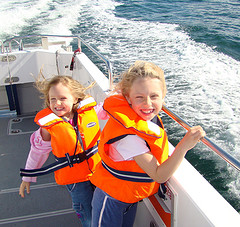
Out of all the people that drown in boating accidents, nearly 90% are found without a life jacket. It’s so simple! Before you leave the dock, make sure you have a life preserver for every person on board, in the correct sizes. Take into consideration each passenger’s size and weight, because if it’s too small, it won’t offer enough buoyancy to keep you afloat. A life preserver that is too large can slip off or be lost in an accident. A properly fitting life preserver should be easy to fasten, and fit snugly.
Safety Equipment
Make sure your boat has all the necessary safety equipment stowed aboard. This includes your boat’s numbering and registration on the hull, along with visible distress signals, an audible signaling device, a basic first aid kit, and a fire extinguisher.
Designated Driver
As with operating a motor vehicle, it’s simply not safe to drink and drive. This will impair your ability to make decisions, and also diminish your visual perception. Don’t put your family – or anyone else’s – at risk. Designate a driver for your trip who will not consume any alcohol while at the helm.
Get the Kids Involved
All kids love to help out while boating, and they can offer extra sets of eyes while you’re on the water. Designate them as your skippers and ask them to notify you if they see any other boats in your path, if they see any protruding rocks, or see anything floating near your craft.
Establish Firm Rules
Teaching your children the rules of the water also teaches them personal responsibility. They should remain seated whenever the boat is in motion, and never sit on the edge or lean over the side of your vessel. As enticing as it is, they must not be allowed to dangle their hands or feet in the waves while the boat is in motion, as they can easily fall out if you hit a rough wave or make an unexpected turn.
Boating is a wonderful way to spend time with your entire family. Fresh air, sunshine, and waves create the perfect recipe for family fun. By being a responsible boater, you will ensure your family can create a lifetime of happy memories together on the water.
Author Timothy Petersen is an avid water sports enthusiast who writes for SkiSafe.com, an Online Boat Insurance company. Check out this convenient Online PWC Insurance for all of your personal water craft, from jetskiis to yachts