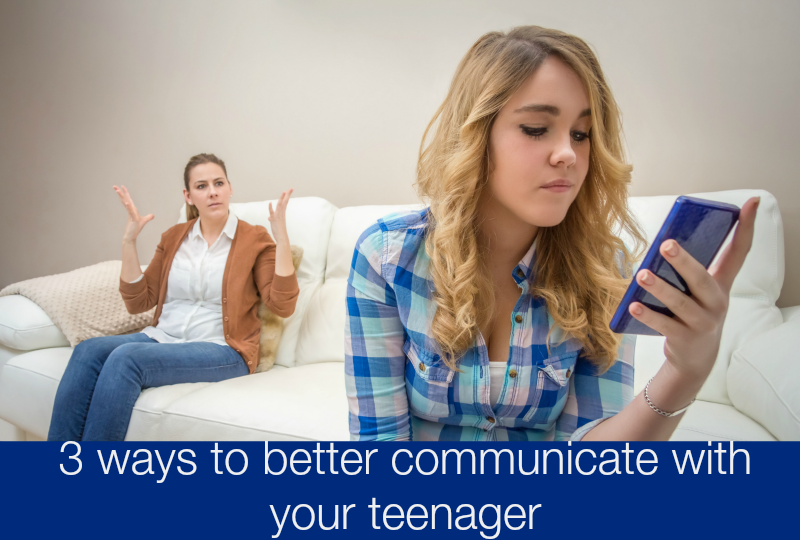
Teenagers are those mysterious creatures that parents who don’t have them, yet, often hear about from parents who did have them at one time, and who parents currently dealing with teens seem at a loss for answers about. If you find yourself anxious about the teen years with your children, or if you have them already and don’t know how to communicate with them, try these helpful tips and hints.
Spend time with them
This is a very simple thing to do, but often eludes so many parents. Why? Because no one really knows what teens like to do, right? Spend time with your kids before school, after school, and on the weekends as much as you can. Get them up early for a family breakfast once a week. Make family dinner something you do at your house, no matter what. Go for a walk with your kids to get some exercise at least three times a week and ask about their days. By spending time with them and being present with them during the time you are spending, you are showing your kids that you care and want to be involved. You don’t have to force them to do things they don’t like, or force yourself to do things you don’t like. Just set up a routine that is expected f everyone to follow and use that as a time to connect with your children daily.
Ask open ended questions
Do not ask your child “Did you have a good day?” They will respond with a one word answer! Instead, ask them what they did during the day, how soccer practice was, if they resolved that issue with their friend and how they did it. Make conversation with them, don’t just as a series of questions and expect them to take the initiative to talk to you. Hint: they won’t do it! That’s why it is your job to make the conversation happen. Don’t pry too much, though. If your child doesn’t ant to talk about something, understand that and tell them “If you change your mind, you know I am always here to talk and listen.” This will show them you respect their space and boundaries, but that you are always there for them. Showing respect to your teenager, and not just expecting them to respect you, goes a long way in building a strong relationship full of communication.
Use the right words
Do not tell your child “You never listen to me.” The word “never” puts your child in a box and does nothing to help the situation. Instead, say something like “I wish you would take a moment to listen to what I am saying and talk to me. It would mean a lot.” This will get their attention and doesn’t make them feel like you are talking down to them or nagging. Sometimes, just changing your wording can make the difference in your child wanting to communicate with you.