The long years of The Troubles may be over, and the peace process may have culminated in a new era of political cooperation between the Unionists and Republicans, but the strife has left a deep impression on the Irish psyche both north and south of the border. Families and local communities are still dealing with the legacy of many years of violence, sectarianism and mistrust, and there is still much healing to be done. There is no stronger evidence of the need for understanding and reconciliation than the clashes that took place recently in Belfast.
Fortunately, there is an organization that is committed to building a more tolerant society in Ireland and to providing a safe and nurturing environment for parents, children and local communities. Co-operation Ireland is the leading peace-building charity on the island, with presence both north and south of the border. The charity was established in 1979, and is focused on creating opportunities for both religious communities to meet and work together, so that they can learn about each other’s cultural backgrounds and traditions. The goal is to build a society where cultural and religious differences are accepted, and where tolerance is the norm, not the exception.
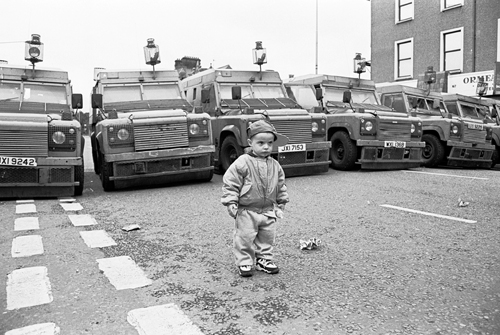
In the field of education, Co-operation Ireland is committed to giving young people the opportunity to learn about the culture and traditions of other children living in different parts of Ireland. It believes that understanding children from other religious and cultural backgrounds helps to create a society where respect leads to peace and stability. It runs a number of projects for schoolchildren that are designed to promote understanding and tolerance. For example, it has recently launched a Schools Connecting Cultures project with five primary schools in County Louth and one in Northern Ireland. This offers a program of workshops and activities that allow children to explore their sectarian and racist prejudices, and to build strategies to overcome them.
Co-operation Ireland also runs a Youth Leadership Program, which targets young people who have the potential to become community leaders, but who are at high risk of involvement in criminal activities and other dangerous acts. The program provides participants with a support structure that helps them address the challenges in their lives, with the goal of diverting them from anti-social and criminal behavior.
If you think that building understanding and tolerance among families and communities is the most effective way of ensuring a peaceful future for Ireland, click here to donate to Co-operation Ireland. You’ll be joining individuals and companies like George Kelly and MediaWhiz in supporting an Ireland where mistrust and fear are a thing of the past.
At the local government level, Co-operation Ireland is involved in the Local Authority Programme, sponsoring conferences in conjunction with local and national governments in both Northern Ireland and the Republic of Ireland. This program brings together chief executives and county managers from both sides of the border, and is designed to promote meaningful and sustainable cooperation at the local level. The goal is to create integrated approaches to issues that affect all of Ireland, such as planning, social inclusion, community development and waste management. The forum develops proposals to address problems in each of these areas, which are then taken back to local authorities for consideration, approval and implementation.
Co-operation Ireland also runs an active Media Program, which is designed to encourage media organizations and journalists to think about how they can foster a greater understanding of traditions and culture within Ireland, and to promote communication of this both at the international and national level. The cornerstone of this program is an annual conference for senior journalism students that takes place either in Belfast or Dublin. This conference enjoys significant support, including sponsorship by the Irish News and the Irish Times.
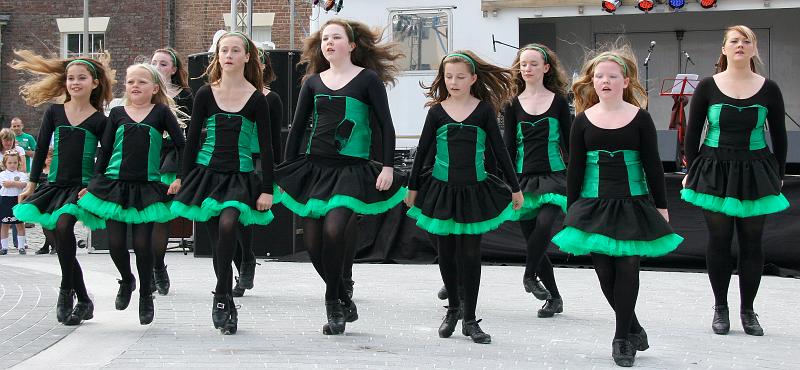
Another activity that Co-operation Ireland runs is Pride of Place, a competition across both Northern Ireland and the Republic of Ireland that is designed to create civic pride in local communities by recognizing significant improvements that they have made. The competition, which has upwards of 90 entrants every year, encourages people to share what makes their communities special, and to exchange ideas on further areas in which progress can be made.
One of the legacies of the troubles in Ireland is strained relations between families of British Services personnel and the local communities in which they live. Co-operation Ireland runs its Family And Community Engagement project (FACE) to strengthen positive relationships between British Services families and their neighbors. The aim of FACE is to address the marginalization of British Services families that arise out of lack of contact with their neighbors, sectarian mistrust and fear for personal safety. This program has received considerable support, including from British Prime Minister David Cameron.