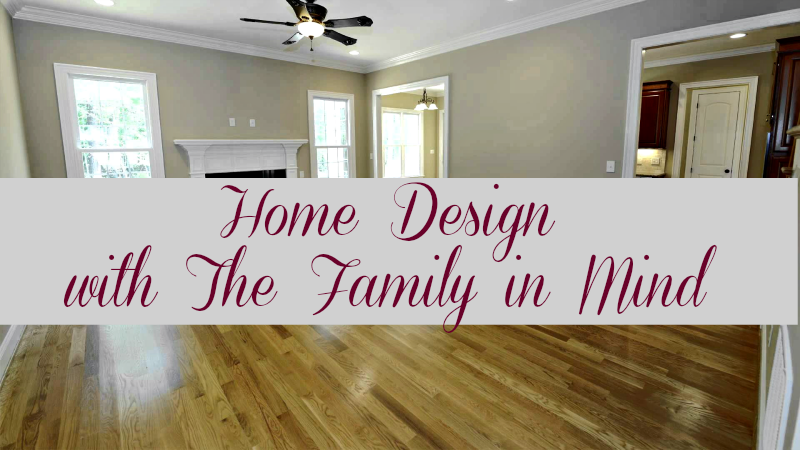
Designing a home can be a difficult task, having blend together so many different factors together to create a functional and fulfilling design. This is somewhat simpler if you live on your own as each room can be designed to your specific tastes and needs. However, this becomes much more complicated if you are designing a family home.
This is because each member of the family will have their own unique tastes and needs, which is something that you will need to accommodate within your design ambitions. So, what should you do as a home designer and as a parent to ensure that your home is a comfortable and functional environment for the whole family.
Step 1 – Look at the home with real eyes
One of the bad habits of interior design is that people create room designs, which may look amazing on paper an even be magazine worthy. However, these room designs are not practical for everyday life, in fact more often than not create more restrictions and discomfort as a result.
This is why you should always approach designing a family with clear eyes, identifying areas which you can stretch your creativity and other areas where you may need to reign your creative ambitions.
Step 2 – Look at what each room is used for.
Each room in the home has its own unique identity, which can either be by design or by family circumstances. For, example the layout of your house may make it easier to enter through the back door which leads into the kitchen rather than the living room door.
Looking at this will allow you to see which features would work best in each room, for example, you might look to find window shutters in Aylesbury, if your living room is constantly in view of the sun and heats up a lot. However, for other spaces, you need to consider different needs. Carpet may be preferable in the kid’s bedroom over wood flooring – owing to their enjoying playing on the floor.
You could, however, decide to look beyond this traditional one-room-one-purpose mindset and instead prioritise creating “flex rooms.” Flex rooms are spaces in your home designed to be adaptable and can, as such, be easily transformed to accommodate various activities or functions. When decorating your flex room, whether you choose to use the space as a home office, exercise room, or guest bedroom, be sure to prioritise adaptability so it can meet your family’s different needs at different times. By opting for a flex room over a traditional room in your home, the space will be able to evolve as your lifestyle changes, consequently adding value to your property. If this appeals to you but you’re unsure of how you could work one into your home, try browsing a few flex room ideas online for some inspiration.
Step 3 – Take into account family quirks
Each individual is unique, even when you live in the same household every member will have their own unique needs and requirements. For example, say you have taller members of the household – making sure that you keep an open and clear avoiding low hanging chandeliers for instance.
Step 4 A Future Proof Design
Of course creating a room and home design, it is easy just to take a snapshot in time and designing based on your current environment. However, when creating a new home design to benefit the whole family, it is important to consider the future as well.
This means creating a flexible and easy to modify home design which can adapt to any changes you and your family may go through. For example, you may have a spare room which you would like to use as a study. This is all well and good in the short term, however if you have young ones sharing the same room, at some point one of them will want their own space.
This is why your design for the study should be open and easy to adapt to, with sleek oak laminate flooring and simple wall coverings. So, when the day comes when you have to change your home study into a new bedroom, the transition will be almost seamless.