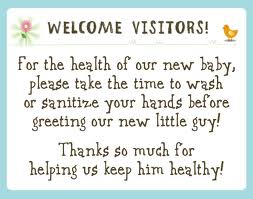
We all know how much joy a new baby brings. Everyone always wants to touch or hold the new bundle of joy. However as parents it’s important to make sure we protect our babies. I have always been the mother that would stop everyone that tried to touch or hold my babies. People would always look at me strange when I would hand them the bottle of hand sanitizer. I really didn’t care what they thought. I am even like that with other people’s babies. Before I touch or hold someone’s child you best believe I am pulling out my hand sanitizer. Trust me most parents are very happy and you can even see the sigh of relief. I have even had other moms tell me thank you and share that I have been the only one!
Sometimes as a parent we don’t how to ask people to do these things. However it’s very important. Over the years Baby etiquette has become increasingly important, seeing as certain illnesses, such as RSV (Respiratory Syncytial Virus), are extremely dangerous and contagious for babies within the first six months of life. Premature infants have a higher risk of serious complications or death from RSV due to their underdeveloped lungs and compromised immunity.
Baby etiquette is anything that we do in efforts to keep our child healthy, happy and safe. Whether it is using hand sanitizer before holding a newborn, or keeping your distance if you are feeling under the weather, these proactive efforts are essential to keeping babies healthy. Sometimes, it proves awkward to ask family or friends to wash their hands before holding your baby, but it is better than the alternative – a sick infant. Often times, these problems arise when people are unaware of the precautions that need to be taken around a newborn baby.
If you are still uncomfortable bringing the topic up here is a sample letter that you can send or even post close to the baby.
“An Open Letter to Loved Ones
All newborns are vulnerable during the first few months of life, but certain babies—especially those born prematurely or with certain chronic conditions that make them especially susceptible to infection—need extra protection while their immune systems develop. As the parent of a high-risk infant, sometimes it’s hard to explain to friends and family why you take certain precautions. Parents of healthy, full-term babies may not understand and some may perceive your actions to be “extreme” or “paranoid.” But you know how important it is to prevent your baby from getting sick.
If you haven’t quite found the words to explain why you wish to take extra precautionary measures to keep your baby healthy, the below open letter may be a helpful tool in explaining your situation. Or, if you know of someone who recently had a high-risk baby and is having difficulty finding acceptance and understanding, share this with them and let them know they aren’t alone.
Dear [Loved One],
I know sometimes people think I go to extreme lengths to protect [Baby], and I understand my methods may seem strange. I wanted to send this note to you to give you insight on what life is like when you’re perceived as an “overprotective” parent.
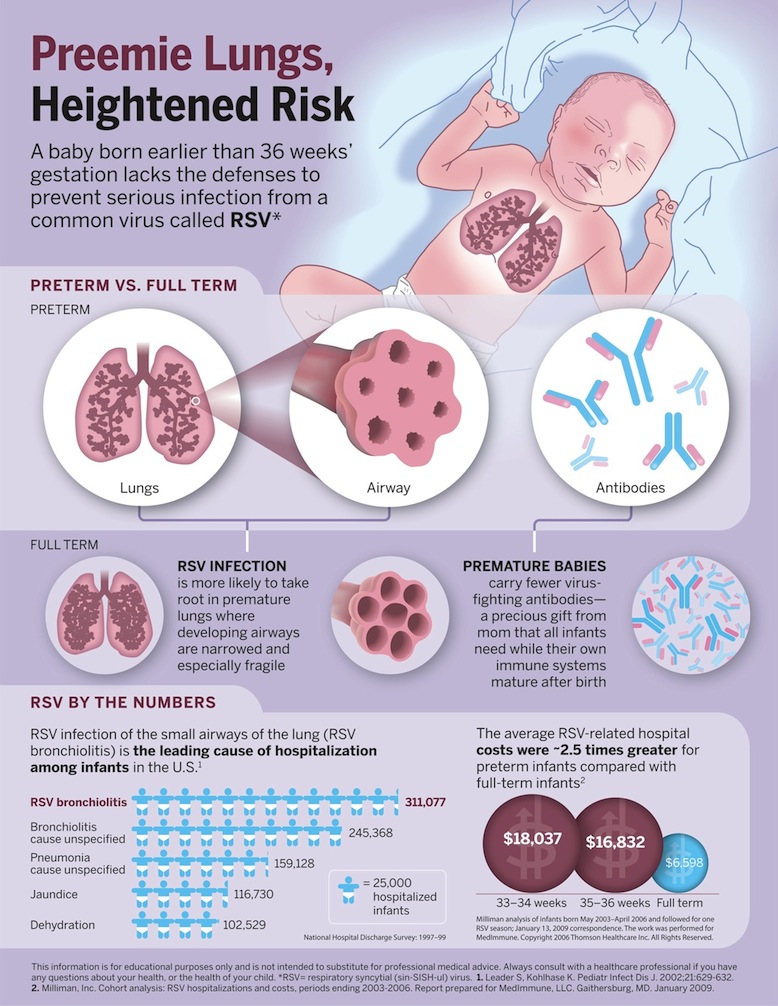
[Baby] was born [prematurely or with X condition], which puts [him/her] at an increased risk of developing a serious infection from many common, seemingly harmless, germs and viruses. For example, respiratory syncytial virus (RSV) is an extremely common virus that all babies contract by their second birthday. Most infants have the immune system and lung strength to fight off the virus, but in high-risk babies, it can cause a very serious infection. In fact, serious RSV infection is the leading cause of infant hospitalization. Note: For more information on the dangers of RSV, you can check out www.RSVprotection.com.
Because [Baby] is so vulnerable to RSV and other illnesses, it’s important to us to avoid exposing [him/her] to these germs. Viruses like RSV are highly contagious and can live for hours on objects like countertops, doorknobs and toys. Frankly, the idea that visitors may unknowingly bring in these dangerous germs is very scary to a new parent!
So I’m asking that you please be patient with me and my precautions to keep [Baby] safe. Please contact me before dropping by for a visit, and know that while I hate turning you away or asking you not to come over, it’s always for a good reason and never personal.
And when we’re eventually ready for visitors, please remember that prevention is key to keeping [Baby] safe.
- Please refrain from visiting when you are sick or if you’ve been around someone ill.
- Please make sure your clothes are clean and you haven’t smoked or been around smokers recently. Smoke can be very dangerous for underdeveloped lungs.
- Let’s wait until [Baby] is strong enough to be introduced to your little one(s), You know I love seeing [him/her], but toddlers and school-aged children are very likely carriers of germs and viruses.
- Wash your hands immediately when you come into the house, or sanitize during your visit – this is one of the best ways to prevent the spread of germs. Wash, wash, wash!
I hope this helps to explain a bit better why I’ve been keeping [Baby] in and, often, visitors out. I appreciate your understanding and look forward to seeing [Baby] grow stronger and healthier everyday with your help!
Best,
[Mom]
RSV Quick Facts:
- RSV is the leading cause of infant hospitalization, responsible for more than 125,000 hospitalizations and up to 500 infant deaths each year.
- RSV occurs in epidemics each fall through spring. The CDC has defined “RSV season” as beginning in November and lasting through March for most parts of North America.
- Certain regions have longer RSV seasons than others, with the season beginning as early as July (e.g., Florida) or ending in April.
- Despite its prevalence, one-third of mothers have never heard of RSV.
Prevention is Key:
There is no treatment for RSV, so it’s important for parents to take the following preventive steps to help protect their child:
- Wash hands, toys, bedding, and play areas frequently
- Ensure you, your family, and any visitors in your home wash their hands or use hand sanitizer
- Avoid large crowds and people who may be sick
- Never let anyone smoke near your baby
- Speak with your child’s doctor if you believe he or she may be at high risk for RSV, as a preventive therapy may be available
Be Aware of Symptoms:
Contact your child’s pediatrician immediately if your child exhibits one or more of the following:
- Persistent coughing or wheezing
- Rapid, difficult, or gasping breaths
- Blue color on the lips, mouth, or under the fingernails
- High fever
- Extreme fatigue
- Difficulty feeding
To learn more about RSV, visit www.rsvprotection.com.
I wrote this review while participating in a blog tour by Mom Central Consulting on behalf of MedImmune and received promotional item to thank me for taking the time to participate.


I’m the same way Jen. I hate germs, sickness etc. I’m gonna be that crazy mom that will probably make you shower before touching my little one, if I let you touch her lol. Plus it’s a common courtesy when you are around other peoples newborns to wash your hands, AND use hand sanitizers. I won’t need to put up the signs I’ll be glad to let you know the rules ahead of time hanaha.
LOL! I am sure you will. But that’s good. I even had the car seat cover thing so when we went out in public nobody could touch them LOL all they could do is PEEK!
ive been looking for one, havent found a cute pink and black one yet